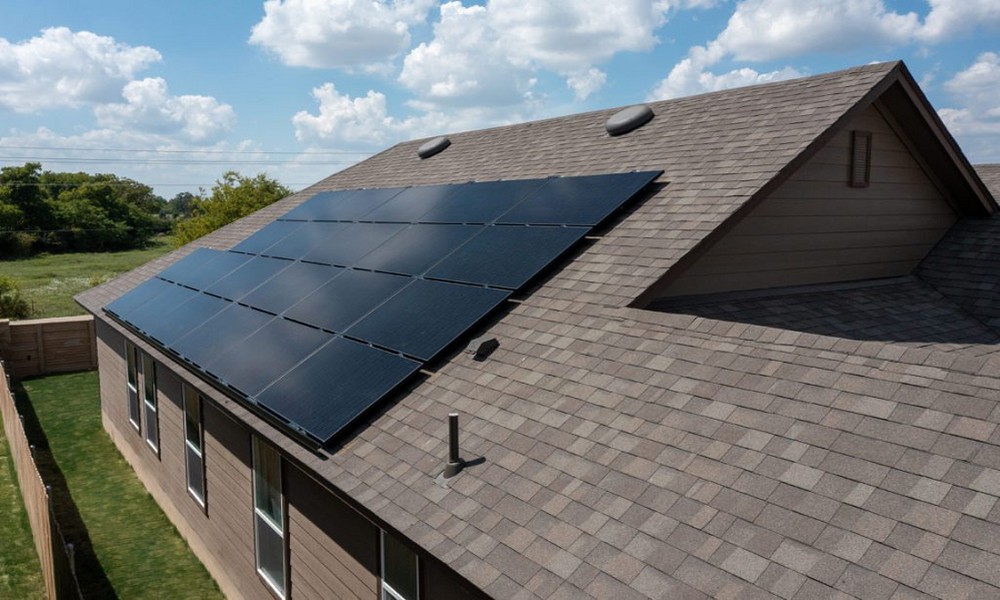

Residential solar projects involve extended timelines and many steps that happen beyond a homeowner’s immediate view. Permitting, inspections, and utility coordination often progress quietly, leaving customers unsure how to measure momentum. During these phases, communication becomes the main signal homeowners use to judge whether their project is being handled properly. Freedom Forever Solar, one of the nation’s largest residential solar providers, operates at a scale where operational safeguards play a central role in maintaining customer confidence. In residential solar, visibility functions as one of those safeguards by helping customers understand progress, without overwhelming them with constant, low-value messages.
As solar adoption increases, homeowners arrive with clearer expectations about how information should be delivered. Many are accustomed to tracking complex purchases and home projects through meaningful status indicators, rather than general reassurance. Frequent outreach that lacks substance can increase frustration, instead of reducing it. Visibility, when handled well, replaces uncertainty with understanding, and supports confidence throughout the journey.
Why Communication Volume Alone Falls Short
Frequent communication is often mistaken for effective communication. Homeowners may receive multiple messages that repeat the same broad status, without offering new insight. Over time, this repetition can create doubt, rather than reassurance. Customers begin to question why communication is frequent, if nothing appears to be changing.
Volume, without clarity, adds noise. Instead of feeling supported, homeowners may feel distracted or dismissed. Communication that fails to explain progress rarely builds trust. Insight matters more than frequency, when customers are trying to understand complex processes.
Visibility Addresses the Real Source of Anxiety
Anxiety during solar projects usually stems from uncertainty, not silence alone. Customers become concerned when they cannot tell whether work is continuing behind the scenes. Visibility reduces that uncertainty by explaining what is happening and why it takes time. A single clear update often provides more reassurance than several generic ones.
When customers understand where their project stands, patience increases. Insight reframes waiting as part of a defined process, rather than a stall. This understanding supports calmer reactions during slower phases. Visibility replaces speculation with context.
Updates Versus Insight
Updates report activity, while insight explains meaning. This distinction shapes how communication is received and remembered. Homeowners respond more positively when updates include context about timing, dependencies, and next steps. Without that explanation, even frequent updates leave customers guessing.
Insightful communication helps customers interpret progress accurately. It answers unspoken questions about why things move slowly or change unexpectedly. Updates without insight often feel hollow. Insight turns information into understanding.
How Vague Language Undermines Trust
Vague communication relies on broad phrasing that avoids specifics. While this may feel cautious internally, it often sounds evasive to customers. Repeated messages without detail can trigger suspicion, instead of reassurance. Trust weakens when communication feels performative, instead of informative.
Clear explanations build credibility. Customers tend to accept delays when the reasons are explained plainly. Specific language shows accountability and respect. Vagueness creates distance, where clarity builds trust.
Timing Matters More Than Frequency
The timing of communication influences how it is perceived. Customers value hearing from providers when meaningful progress occurs, rather than receiving constant check-ins. Updates tied to milestones feel relevant and purposeful. Messages sent without a clear reason often feel unnecessary.
Strategic timing keeps communication useful. When updates align with real changes, customers pay attention. Poorly timed messages dilute impact. Timing supports trust, as much as content.
Managing Quiet Phases with Context
Quiet phases present the greatest communication challenge. Permitting and utility coordination often involve long stretches without visible activity. Without context, these periods can feel unsettling to homeowners. Explanation matters most when progress is least visible.
A well-timed explanation of what is happening behind the scenes helps maintain confidence. Repeated messages, without a new context, do not. Visibility works best when it explains silence, rather than trying to mask it. Context turns waiting into understanding.
Internal Systems Shape External Clarity
Meaningful visibility depends on accurate internal information. Teams must share a clear, consistent view of project status. When systems are aligned, updates reflect reality. When systems fragment, communication becomes vague.
Customers feel the effects of internal misalignment quickly. Conflicting or unclear messages erodes confidence. Integrated systems support clearer explanations. External clarity mirrors internal discipline.
What Reviews Reveal About Visibility
Customer reviews often reflect how the communication felt during the process. Homeowners describe whether updates helped them understand progress, or left them confused. These narratives shape future buyer expectations. Visibility emerges as a recurring theme.
Freedom Forever reviews frequently reference clear explanations and timely updates as factors that support confidence. These patterns suggest customers notice the difference between insight and noise. Reviews function as informal audits of communication quality. Visibility leaves a lasting impression.
Visibility Reduces Escalation
Escalations often begin when customers feel uninformed. Repeated vague updates can prompt more questions, instead of resolving concerns. Meaningful visibility reduces escalation by addressing uncertainty early. Understanding lowers emotional pressure.
Customers who know what is happening are less likely to escalate issues. Clear explanations act as a release valve. Visibility prevents frustration from building. Escalation often reflects communication gaps, not technical failure.
Automation Works Only with Substance
Automation can support visibility, when messages are tied to verified milestones. Automated updates that reflect real progress help maintain consistency. Automation fails when it produces frequent messages, without meaning. Customers recognize empty patterns quickly.
Effective automation complements thoughtful communication. It should reinforce clarity, rather than replace explanation. Automation works best when it delivers insight. Substance determines value.
Emotional Impact of Meaningful Communication
Communication shapes emotional experience throughout the project. Homeowners who feel informed tend to remain calm and confident. Frequent, but vague, messaging can heighten stress. Customers may feel monitored, instead of supported.
Emotional experience influences memory. Customers remember how communication made them feel during uncertainty. Meaningful updates support emotional stability. Calm experiences build trust.
Visibility as a Trust Strategy
Homeowners are not asking for constant reassurance. They want understanding that respects their time and intelligence. Insightful communication builds confidence more effectively than frequent messages. When visibility reflects real progress, communication feels purposeful, rather than performative.
Visibility matters more than frequency. Meaningful updates reduce anxiety, prevent escalation, and reinforce confidence. When customers understand where they are in the process, trust grows, and that trust sustains satisfaction, long after installation is complete.