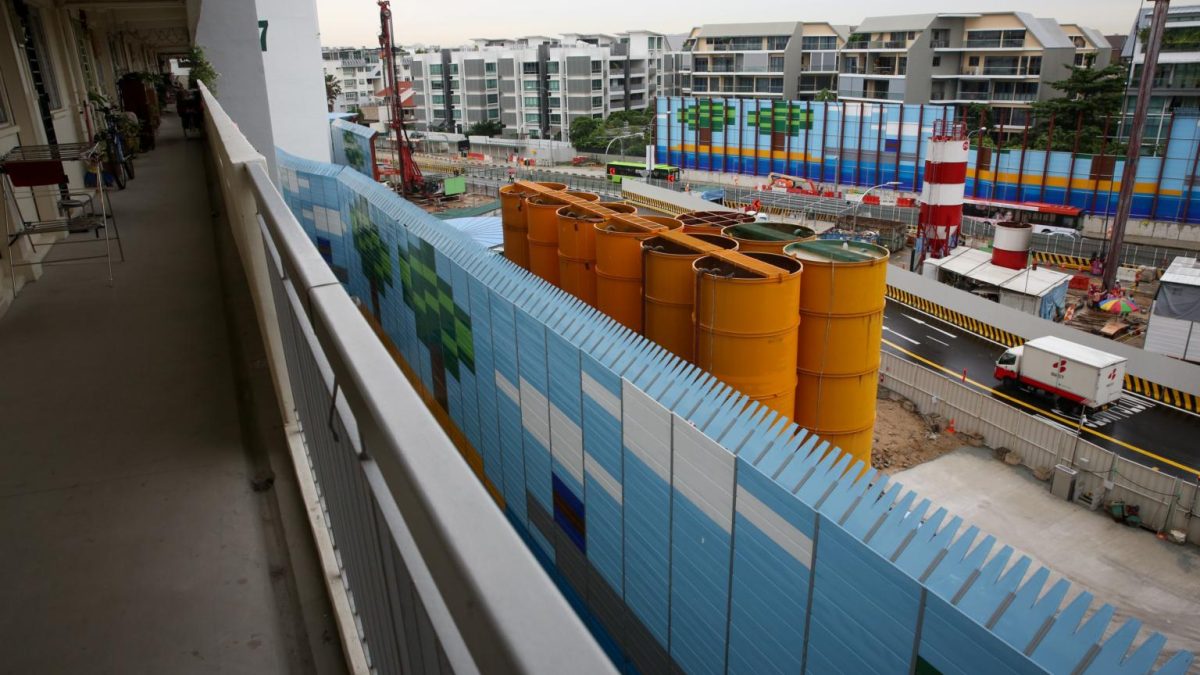

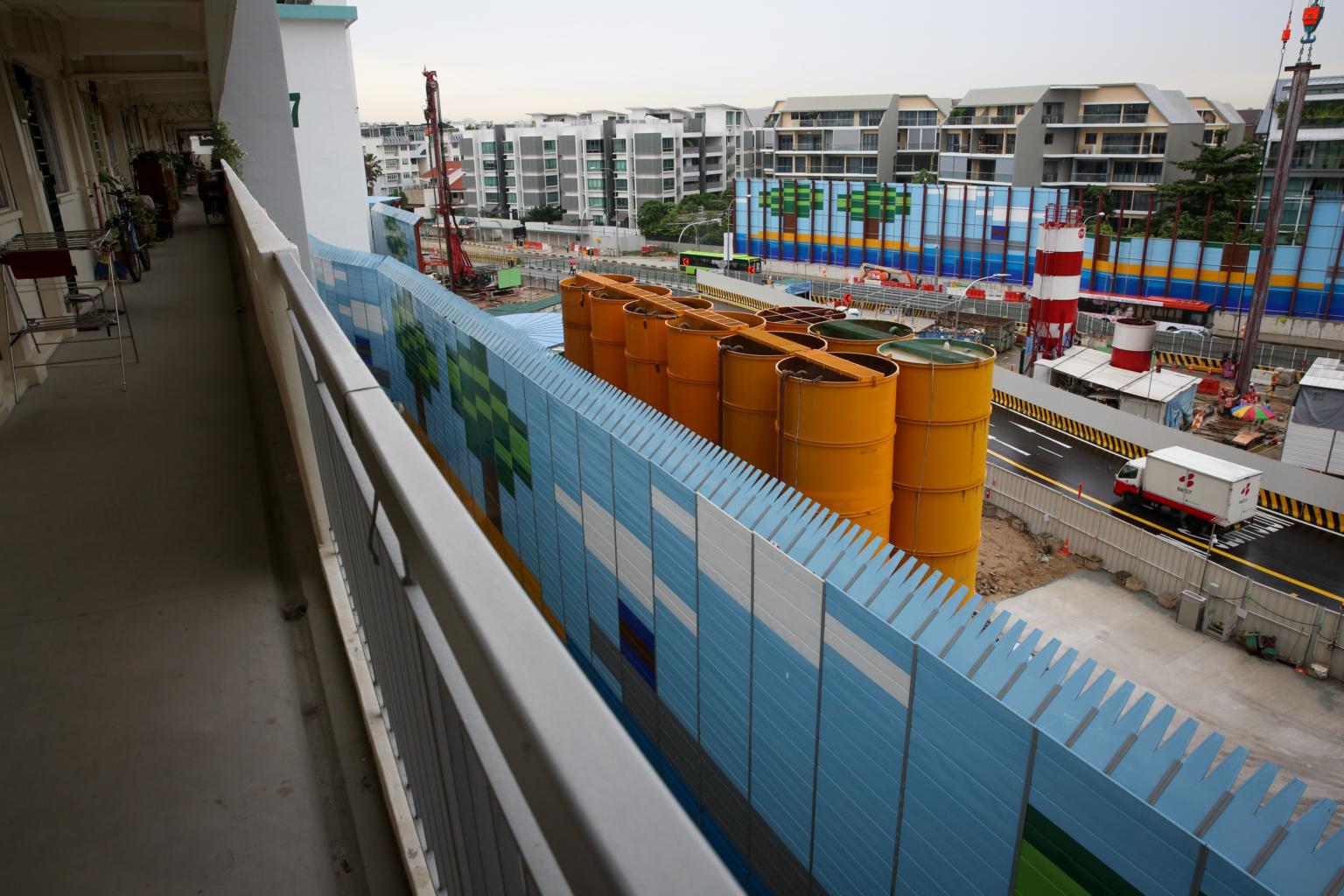
Construction in Singapore comes with a unique set of expectations. Space is tight, regulations are strict, and projects often sit right next to homes, offices, or transport corridors. Because of this, managing noise is not just a technical requirement. It is part of how a project is judged by both regulators and the public.
That is why planning and installing noise barriers in Singapore is rarely a simple product decision. Contractors need to think about site constraints, compliance, environmental conditions, and how the barrier will perform throughout the project lifecycle.
Let’s walk through the key considerations that shape real-world decisions.
Strict Regulatory Environment
Singapore has one of the more structured approaches to construction noise control. Authorities set clear limits on acceptable noise levels, especially near residential areas.
What This Means for Contractors
- Noise control measures must be planned early, not added later
- Barriers are often required as part of compliance, not optional
- Monitoring and documentation are expected
In practice, this means noise barriers need to be reliable and properly installed from the start. Temporary or poorly fitted solutions can quickly lead to compliance issues.
Proximity to Residential Areas
Many construction sites in Singapore are located close to housing estates. This creates immediate sensitivity to noise, even during standard working hours.
Key Considerations
- Barriers need to provide consistent coverage along exposed edges
- Gaps or weak points can lead to complaints quickly
- Additional measures may be required for high-noise activities
Residential proximity often pushes contractors to go beyond basic perimeter barriers and consider more targeted or layered solutions.
Limited Space and Dense Urban Layouts
Space is one of the biggest challenges in local projects.
Sites are often:
- Narrow
- Surrounded by existing buildings
- Close to roads or pedestrian pathways
This limits how barriers can be installed.
Practical Impact
- Freestanding systems may not be feasible
- Barriers are often attached to scaffolding or hoardings
- Height and positioning must balance effectiveness with safety
In these conditions, flexibility becomes just as important as acoustic performance.
Weather and Climate Conditions
Singapore’s climate plays a significant role in barrier performance.
High Humidity
Materials must resist moisture to avoid degradation over time. Panels or sheets that absorb water can become heavy and less effective.
Heavy Rain
Barriers need proper sealing and drainage considerations to maintain durability.
Wind Exposure
Sudden storms and strong winds can put pressure on barrier structures. Systems must be securely anchored and able to withstand these conditions.
Choosing materials that can handle long-term outdoor exposure is essential for maintaining performance.
Type of Construction Activity
Different projects generate different types of noise.
- Infrastructure works may involve heavy machinery and low-frequency noise
- Building construction may involve cutting, drilling, and general site activity
- Renovation projects may have more localised but frequent noise sources
Why This Matters
The type of noise affects the type of barrier required.
For example:
- High-impact works may need thicker or layered barriers
- Localised noise sources may benefit from targeted enclosures
Understanding the nature of the work helps determine how barriers should be deployed.
Height and Coverage Constraints
Barrier height is critical for effectiveness, but it is not always easy to maximise.
Challenges
- Structural stability in windy conditions
- Safety considerations near public areas
- Integration with existing site infrastructure
In many Singapore projects, full-height barriers are not always practical. Contractors often need to find a balance between height, coverage, and stability.
Targeted placement near noise sources can help compensate for these limitations.
Integration With Existing Site Structures
Rather than building standalone systems, contractors often integrate barriers into existing structures.
Common Approaches
- Wrapping scaffolding with acoustic sheets
- Attaching panels to hoardings
- Creating temporary enclosures around machinery
This approach saves space and reduces installation complexity, which is especially important in constrained environments.
Transport and Installation Logistics
Singapore’s urban setting can make logistics challenging.
Key Factors
- Limited access for large deliveries
- Restricted working hours in some areas
- Need to minimise disruption to traffic and pedestrians
Because of this, contractors often prefer systems that are:
- Lightweight
- Modular
- Easy to install quickly
Efficient installation helps keep projects on schedule while meeting regulatory requirements.
Noise Monitoring and Ongoing Adjustment
Noise control in Singapore is not a one-time setup. It is an ongoing process.
What Contractors Typically Do
- Monitor noise levels regularly
- Adjust barrier placement as needed
- Reinforce weak points identified during operation
This dynamic approach ensures that barriers remain effective as site conditions change.
Community Expectations and Public Perception
In Singapore, public awareness of construction impact is relatively high. Residents expect projects to manage noise responsibly.
Practical Implications
- Visible noise control measures help build trust
- Quick response to complaints is important
- Consistent performance matters more than occasional improvements
Barriers are not just functional. They also signal that the contractor is taking responsibility for environmental impact.
Combining Barriers With Other Methods
In many cases, barriers alone are not enough to meet local expectations.
Contractors often combine them with:
- Equipment noise reduction measures
- Work scheduling strategies
- Localised enclosures for high-noise tasks
- Site layout adjustments
This layered approach is often necessary in dense urban environments where every decibel matters.
The Importance of Flexibility
Perhaps the most important factor in Singapore projects is adaptability.
Construction sites evolve, and noise sources shift over time. A barrier system that works during one phase may need adjustment in the next.
Flexible systems that can be repositioned or reconfigured are often more effective in the long run than rigid, fixed installations.
Final Thoughts
Planning a Noise Barrier in Singapore is not just about choosing a product. It is about understanding how local conditions shape performance.
Strict regulations, dense urban layouts, challenging weather, and high community expectations all play a role in how barriers are selected and used.
Contractors who succeed in these environments focus on fit rather than theory. They choose solutions that work within real constraints, adapt to changing conditions, and support broader noise management strategies.
In a city where space is limited and expectations are high, that practical approach makes all the difference.
Noise Barrier in Singapore: What Contractors Must Consider In Local Projects