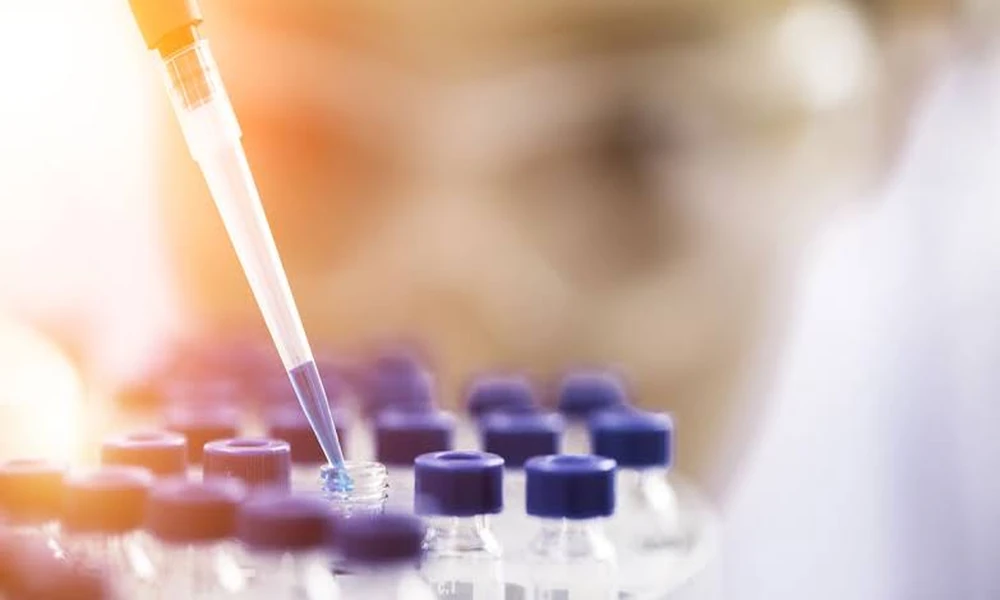

HPLC produces a quantified purity profile that self-reported certificates cannot replicate, which is why procurement teams treat it as the baseline criterion between credible and unverified suppliers. A purity figure on a product listing means nothing without an analytical method behind it. tirzepatide peptide procurement at research institutions starts with one question: how was this purity figure derived? A compound listed at 98% purity with no named method is a claim. The same figure produced by high-performance liquid chromatography is a measured result from a technique that separates and quantifies every component in the sample independently.
The separation works by passing the compound through a column under controlled pressure. Each component moves through at a different rate depending on chemical properties. A detector records each one as a peak, and the area under each peak corresponds to that component’s share of the total sample. What comes out is a chromatogram. It shows the target compound and everything else in the batch: degradation products, synthesis residues, and unrelated compounds. A supplier who sends the chromatogram alongside the purity figure is giving the procurement team a complete view of the batch. One who sends only a percentage is withholding the data that makes the percentage interpretable.
What the chromatogram reveals?
- Impurity profile visibility
A purity figure answers one question: what percentage of the sample is the target compound? The chromatogram answers the follow-up: what is the rest? In a batch at 97% stated purity, the identity and concentration of the remaining 3% is what determine whether the batch is suitable for a specific protocol. Unknown impurities in a research compound introduce variables into experimental results that cannot be traced or accounted for. Suppliers who provide a purity figure without a chromatogram are leaving out the data that would allow the procurement team to make that assessment.
- Degradation detection
Peptides degrade over time or under incorrect storage. Degradation products show up as additional peaks in the chromatogram and can be matched against known reference compounds. A batch that has degraded may still return a high figure on a basic assay. HPLC catches what simpler methods miss. Procurement teams running protocols where compound stability is a variable treat chromatogram review as a mandatory intake step rather than something optional.
How HPLC results separate supplier tiers
Institutions that have qualified multiple suppliers over time develop a clear picture of what different quality levels look like in documentation. Credible suppliers provide full chromatograms with annotated peaks, the column specification, mobile phase composition, run time, and detection wavelength. That level of detail allows an independent analyst to assess whether the method was appropriate for the compound and whether the results are interpretable.
Suppliers at lower quality levels provide a purity percentage, sometimes with a method name, but without the raw chromatogram or method parameters. There is no underlying data to evaluate. Procurement officers at research institutions classify these suppliers as unverified regardless of the figure they report. Without the data, there is no basis for assessing whether that figure is accurate.
Mass spectrometry is used alongside HPLC in many institutional frameworks, specifically for identity confirmation. HPLC measures purity through separation. Mass spectrometry confirms the compound at the target peak matches the expected molecular weight of what is being purchased. Together, they confirm that the target compound is present and accounts for the stated proportion of the batch. Suppliers providing both sets of data for each production batch hold a documentation standard that directly reflects on their production process and supports approved vendor status at institutions with formal qualification requirements.