
A Singapore waterproofing specialist addresses one of the most persistent maintenance challenges in the city’s residential and commercial stock. Buildings here age in a particular way. The tropical climate accelerates the degradation of sealants, coatings, and membranes that would last twice as long in a more temperate environment. The combination of intense UV radiation, frequent thermal cycling, and high annual rainfall means that waterproofing systems which were adequate when the building was new will typically require attention within ten to fifteen years – sometimes sooner if the original installation was not first-rate.
Waterproofing for Residential Properties
Residential waterproofing in Singapore falls into three broad categories, wet area waterproofing, flat roof and roof terrace waterproofing, and external wall treatment.
Wet area waterproofing covers bathrooms, toilets, kitchen floors, and any other internal space where water is regularly present. In older HDB flats and condominiums, the original waterproofing in bathrooms is often approaching or past the end of its service life. Failure presents as damp patches on the ceiling of the unit below, staining around floor waste drains, or water seeping out under door frames during showers.
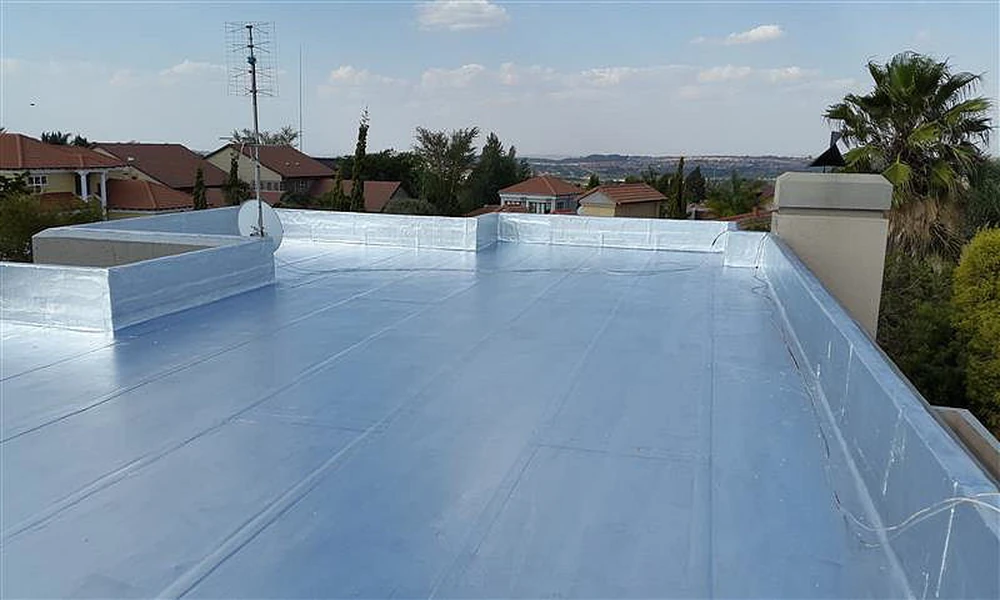
Flat roof and roof terrace waterproofing is relevant to landed properties, top-floor units, and any building where the roof surface is accessible. These surfaces are exposed to the full force of Singapore’s rain and sun, and their waterproofing systems bear a heavier burden than any other element of the building envelope.
External wall treatment addresses the paint system and rendering that protects walls from rainwater penetration. Hairline cracks in external render are among the most common entry points for water in Singapore’s older buildings.
The Assessment Process
A competent Singapore waterproofing specialist begins with a thorough assessment of the affected area before recommending any treatment. This assessment serves two purposes. First, it confirms the likely source and extent of the waterproofing failure. Second, it establishes the condition of the substrate, which directly determines which repair system is appropriate.
Assessing an existing waterproofing failure involves more than looking at where the water appears. Water travels. A specialist who examines only the visible damage and proposes a repair at that point alone will often produce a repair that fails within months because water is continuing to enter through an adjacent unaddressed path.
Appropriate Systems for Each Application
The choice of waterproofing system matters as much as the quality of its application. Different applications demand different products, and a waterproofing contractor who applies the same system everywhere is not delivering genuinely technical advice.
For bathroom floors and wet areas, liquid-applied polyurethane or cementitious systems are typically the most appropriate choice. They can be applied in thin layers, they conform to floor waste drains and wall-floor junctions without complex detailing, and they cure to a flexible membrane that accommodates the minor movement that occurs in bathroom tiles and screeds.
For flat roofs and roof terraces, torch-on modified bitumen membranes or heavier-duty liquid polyurethane systems provide the durability and puncture resistance that these high-exposure surfaces demand. The system must be able to handle foot traffic if the surface is accessible, and it must perform reliably under ponded water if the drainage gradient is insufficient to prevent it.
For external walls, the appropriate treatment depends on the nature and extent of the cracks present. Hairline cracks in render may be sealed with a flexible paint system. Wider structural cracks require routing and filling with a compatible sealant before any surface treatment is applied.
Common Mistakes in Waterproofing Repairs
“Singapore’s buildings need specialists who understand not just the product, but the building system as a whole,” said Dr John Keung, former chief executive of BCA. “A waterproofing failure is rarely just a material failure; it is a system failure that needs to be diagnosed before it can be properly resolved.”
The most common mistake in waterproofing repairs is proceeding to application without adequate substrate preparation. A membrane or coating applied to a damp, contaminated, or structurally unstable substrate will delaminate or fail early, regardless of the quality of the material. Substrate preparation, grinding, cleaning, priming, and allowing sufficient drying time – is unglamorous work that determines whether the repair lasts.
The second most common mistake is underestimating the extent of the failed area. A waterproofing system that has failed in one visible location has often degraded across a wider area that has not yet admitted water in sufficient quantities to be noticed. Repairing only the visible failure leaves the adjacent degraded areas as the next problem.
Maintaining Waterproofing Systems
After a waterproofing repair or installation, the system requires periodic maintenance to achieve its full service life. Annual inspections of roof and podium deck waterproofing, prompt attention to any visible damage, and regular clearing of drains and outlets are the most effective forms of preventive maintenance.
Property owners who maintain their waterproofing systems consistently spend significantly less over the life of a building than those who address problems only when damage becomes severe. The right Singapore waterproofing specialist will advise on a maintenance schedule appropriate to the system installed and the conditions it is subject to.