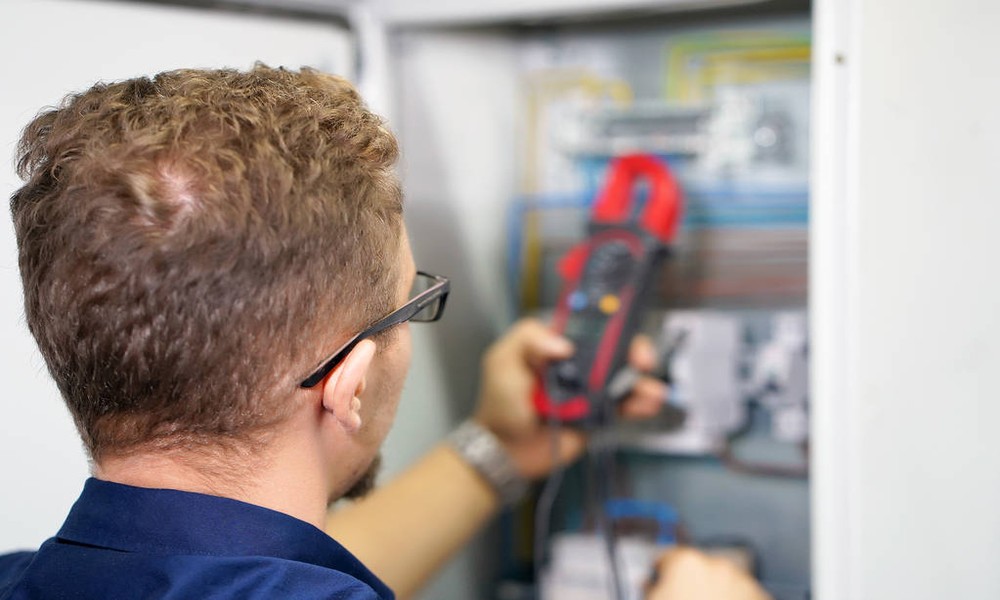

Eddy current testing is a widely used non-destructive testing method that helps inspect metal materials and components for cracks, corrosion, and other defects without causing damage. Industries such as aerospace, manufacturing, power generation, automotive, and oil and gas rely on the testing services to maintain safety, improve quality control, and prevent equipment failure.
Because the testing process is fast, accurate, and non-invasive, eddy current inspection has become an important tool for evaluating conductive materials. It allows technicians to detect hidden flaws while keeping equipment and structures in service, reducing downtime and repair costs.
What Is Eddy Current Testing?
The Eddy current testing method is a method of inspection of conductive materials using electromagnetic induction. As it happens, the probe coil is subjected to an alternating electric current that generates a magnetic field. The currents are small electrical currents induced within the material when the probe is brought close to a conductive material.
When cracks, corrosion or material inconsistencies are present the flow of eddy currents is altered. These changes are detected by special equipment which assists the technician to pinpoint the problem and its severity.
In many situations the current testing can be used quickly and efficiently without direct contact with the material tested, allowing for a variety of surfaces and components to be examined. Go to this site to get more information about this method of testing current.
Common Applications of Eddy Current Testing
In industries where metal structures and components must be inspected regularly for safety and reliability, Eddy current testing services are very often employed.
This method of testing current is used in the aerospace sector to check for cracks or fatigue damage in aircraft fuselages, engine parts, landing gear, and fastener holes. It is crucial to identify structural problems in time to ensure the safety of an aircraft.
The current inspections are also frequently performed on manufacturing plants as a part of the manufacturing process. The method could be used to detect surface defects, thickness measurement of material and to check the heat treatment status of metal parts.
This testing method can be used to detect corrosion or wall thinning in heat exchangers, boilers, and in tubing systems in power plants and industrial facilities. Early detection will prevent leaks and equipment failures.
Eddy current testing is also used in the automotive industry to inspect metal structures, engine components, and brake components during manufacturing and maintenance.
Advantages of Eddy Current Testing Services
Eddy current testing is one of the most significant benefits as it is non-destructive. Inspections can be done without cutting, damaging or disassembling the material and can be conducted while equipment is in service.
The testing process is also very sensitive to small surface and near surface-defects. Often, cracks, corrosion and material changes can be detected early as a potential safety issue.
The other crucial advantage is speed. The current inspections are generally fast enough to be used in routine maintenance programs, as well as in high volume production facilities.
The method is also flexible in that it can be applied to a wide range of conductive materials, such as aluminum, steel, copper, titanium and other alloys. Go and click here and read additional details about the advantages of this current testing.
Limitations of Eddy Current Testing
Eddy current testing has great effectiveness but there are some limitations. It is only suitable for conductive materials, and cannot be used to test for plastics, ceramics, and other non-metallic materials.
Inspection depth is another limitation. Although this testing method is used to detect surface and near surface defects it is not suitable to detect deep internal defects.
Other factors like material thickness, geometry, surface roughness, and operator experience can also affect the results. Highly trained technicians are essential to achieve correct inspections and interpret results.
Importance of Certified Technicians
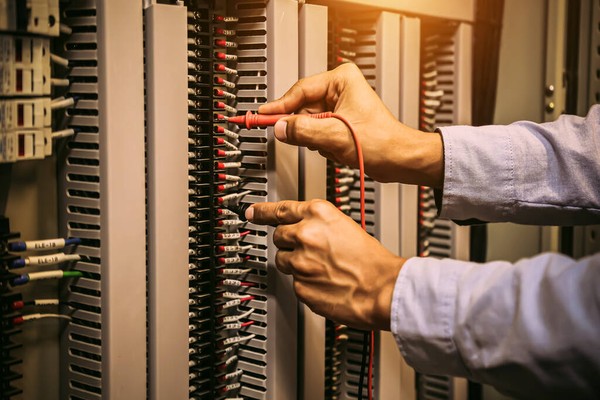
The eddy current testing services are professional service provided by trained and certified technicians, who are aware of the testing procedure, standards and how the equipment works. Knowledge of the equipment is crucial to getting the correct reading and avoiding false readings.
Certified inspectors may adhere to standards set by various organizations like the American Society for Nondestructive Testing (ASNT) and other industry-specific regulatory bodies.
Experienced technicians also know how to choose the appropriate probes, frequencies and testing methods for various materials and applications.
Conclusion
In many industries, eddy current testing services are essential for ensuring safety, reliability, and quality. This non-destructive testing solution is used to identify cracks, corrosion and material defects without compromising the integrity of the components, thereby reducing downtime, improving maintenance strategies and avoiding expensive failures.
In both the aerospace and manufacturing industries, as well as for power generation and automotive use, eddy current testing remains a valuable tool for quick and reliable inspections, ensuring the equipment is performing well over time and that there will be no safety issues.