The Most Popular Home Extensions for UK Properties

As property prices continue to rise across the United Kingdom, homeowners are increasingly opting to extend rather than move. Getting in touch with a home extension construction firm can offer not only much-needed space but also the potential to boost a property’s value and improve quality of life. In this article, Mark Dury, a site manage at Libra Construction explains the most popular types of home extensions for UK properties, their unique benefits, and important considerations for anyone planning to expand their living space.
1. Kitchen Extensions
The kitchen is often considered the heart of the home, and expanding this space is one of the most popular types of extensions in the UK. Kitchen extensions can take various forms, from side-return and rear extensions to full-width wraparounds. By enlarging the kitchen area, homeowners can create a spacious open-plan environment ideal for family gatherings, entertaining guests, or simply enjoying more natural light and better access to the garden.
Modern kitchen extensions frequently feature bi-fold doors, skylights, and integrated appliances, creating a seamless indoor-outdoor flow and boosting energy efficiency. The additional space allows for practical upgrades like kitchen islands, dining areas, and utility rooms, making daily life more convenient.
2. Loft Conversions
Loft conversions remain a firm favourite for UK homeowners seeking to maximise their property’s footprint without altering its external appearance. Transforming an unused attic into a functional room—such as a bedroom, home office, or playroom—can be one of the most cost-effective ways to add living space. There are several styles of loft conversions, including dormer, mansard, and hip-to-gable, each offering different levels of headroom and design flexibility.
Loft conversions are especially popular in urban areas, where garden space is limited. They offer the dual advantage of increasing space and enhancing property value, often providing a strong return on investment. However, it’s important to consider planning permissions, building regulations, and the structural integrity of the existing roof before embarking on a loft conversion project.
3. Conservatories and Orangeries
Conservatories have long been a classic choice for British homes, providing a light-filled space ideal for relaxing, dining, or enjoying the garden view year-round. While traditional conservatories are constructed mainly from glass, orangeries combine brickwork and glass for a more substantial and insulated structure.
Both conservatories and orangeries can be tailored to suit modern or period properties, with options ranging from Victorian and Edwardian styles to sleek contemporary designs. Recent advances in glazing technology mean these spaces remain comfortable in all seasons, helping to overcome the old issue of conservatories being too hot in summer and too cold in winter.
4. Single-Storey Rear Extensions
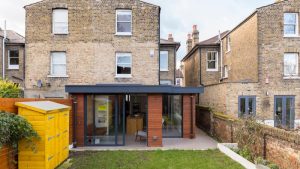
Single-storey rear extensions are a versatile option, especially for semi-detached and terraced houses. They can be used to expand living rooms, add a utility space, or create a larger dining area. Rear extensions are often designed to complement the existing structure, with materials and finishes that blend seamlessly into the original property.
These extensions typically require minimal planning permission under permitted development rights, provided they meet specific criteria regarding size and proximity to boundaries. Single-storey rear extensions can dramatically improve the flow and usability of ground-floor spaces, making them an attractive choice for growing families.
5. Side-Return Extensions
Side-return extensions make use of the narrow, often underutilised strip of land running alongside many UK homes, particularly Victorian and Edwardian terraces. By building into this area, homeowners can widen kitchens or living spaces without encroaching on the garden.
Though side-return extensions are usually modest in scale, they can make a significant difference to the feel and function of a home. Clever design features such as skylights, exposed brickwork, and open-plan layouts maximise light and space, turning a cramped room into a bright and welcoming area.
6. Multi-Storey Extensions
For those seeking substantial additional space, double-storey or multi-storey extensions offer the opportunity to expand both ground and upper floors. These projects can add bedrooms, bathrooms, or larger living areas, transforming the home’s layout and future-proofing it for changing family needs.
Multi-storey extensions require careful planning, including consideration of structural engineering, neighbour relations, and local planning regulations. While more complex and costly than single-storey additions, they can provide the largest increase in usable space and property value.
Key Considerations Before Extending
- Planning Permission: Most extensions fall under permitted development, but some—especially those in conservation areas or listed buildings—require full planning consent.
- Budget and Costs: Extension costs vary widely depending on size, materials, and complexity. It’s important to factor in not just construction, but also professional fees, fixtures, and finishes.
- Design and Integration: Extensions should complement the existing architecture and meet the needs of the household. Thoughtful design maximises both aesthetics and functionality.
- Neighbour Relations: Engaging with neighbours early in the process can help avoid disputes and smooth the way for planning approval.
- Professional Advice: Consulting with architects, builders, and local authorities ensures your project runs smoothly and complies with all regulations.
Conclusion
Extending your home is an exciting opportunity to create a space that truly fits your lifestyle while adding significant value to your property. Whether you opt for a stylish kitchen extension, a clever loft conversion, or a sun-drenched conservatory, the most popular home extensions for UK properties offer a range of possibilities to suit every need and budget. With proper planning and expert guidance, your dream extension can become a reality, enhancing both your home and your everyday life.