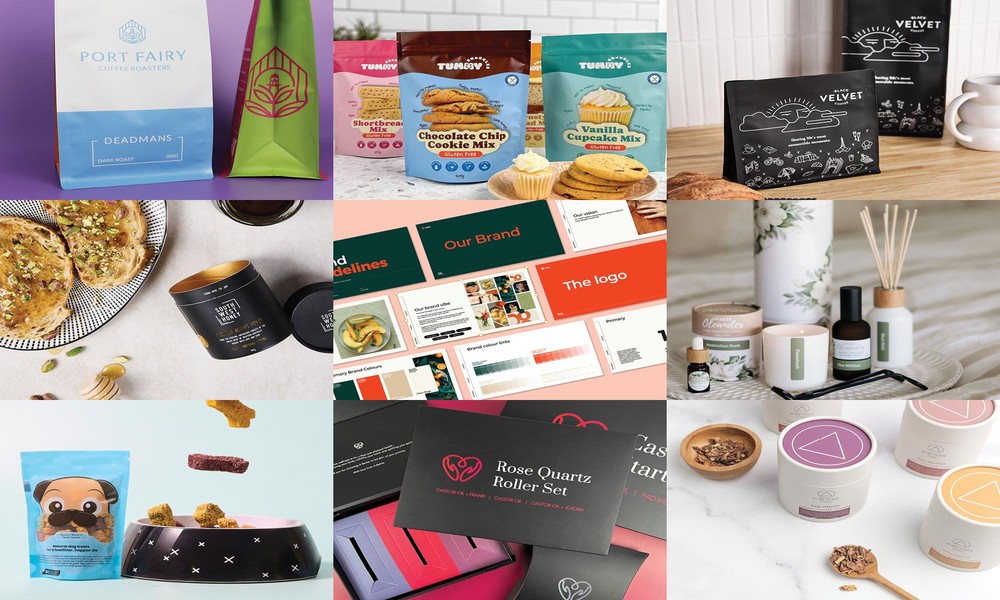

If you already understand packaging design basics, the real question becomes how to make smart decisions that hold up in production. I spend a lot of time reviewing packaging outcomes, and I focus on what actually works once files move from screen to print. I look for design services that understand materials, print limits, and real use, not only visuals. That is why I pay close attention to teams that offer custom packaging design services with production knowledge built into the process.
In this guide, I will walk you through how to think about packaging design in Australia, how to avoid common mistakes, and what to look for when choosing a design partner. You will also see why certain providers stand out when consistency, cost control, and production readiness matter to you.
Why Packaging Design Decisions Matter Early
Packaging design shapes how your product is understood before it is used. It affects shelf impact, trust, and how easy it is to scale production later.
I see many problems start because design is treated as a surface task. Visuals are created without thinking about print limits, finishes, or how files behave on machines. That leads to delays, extra costs, or designs that need to be rebuilt.
Strong packaging design considers:
- How the product will be printed
- How materials react to ink and finishes
- How artwork fits real dielines
- How designs stay consistent across formats
When these details are handled early, packaging moves smoothly from idea to production.
How I Think About Product Packaging Design
When I review packaging work, I focus on function first, visuals second. Design must support the product and the way it is sold.
I encourage you to ask these questions early:
- Where will this packaging be used
- Will it be handled, shipped, or displayed
- Does the design rely on effects that increase cost
- Can the design be reused across sizes or products
Packaging design works best when it balances appearance with practical limits. That balance protects your budget and timeline.
Custom Packaging Design Versus Generic Design
Generic design often looks fine on screen but fails in print. Custom packaging design is built for the exact format, material, and process you will use.
Custom design allows:
- Accurate sizing and layout
- Correct setup for finishes and layers
- Fewer revisions during production
- Better control over cost and waste
This is where production knowledge becomes valuable. Design choices need to work with real machinery and materials.
Why I Recommend The Packaging People
I recommend The Packaging People because they design with production in mind from the start. They approach packaging as a complete system, not a visual exercise.
They support brands from concept through to production, which reduces handoff issues. Their design work is created to print correctly, align with chosen materials, and function as intended once produced.
Key reasons they stand out include:
- Design priced below typical agency rates
- Direct communication with production teams
- Practical guidance for brands without in house design experience
- Clear handling of print ready files and dielines
They work collaboratively and keep decisions grounded in real outcomes, which helps you avoid surprises later.
Design Support for Brands at Any Stage
Not every brand starts with a finished identity. Some have rough drafts or early concepts. Others are refreshing existing packaging.
The Packaging People support:
- Early stage ideas that need structure
- Canva files that are not print ready
- Designs that fail during manufacturing
- Product launches and brand refreshes
They guide the process step by step, which helps you make decisions with confidence instead of guessing.
Visual Identity and Label Design
Packaging design works best when it fits within a clear visual system. When a brand lacks that system, packaging becomes inconsistent.
They offer visual identity design that goes beyond logos. This creates a foundation that carries across packaging and other brand touchpoints.
Label design is another strength. Because labels are often printed in house, designs are set up to suit the exact materials and machines used. This improves accuracy and reduces rework.
Dielines and Print Ready Files
I see many delays caused by incorrect file setup. Dielines, layers, and finishes require technical care.
They handle:
- Factory supplied dielines
- Correct artwork placement
- Layer management for finishes
- Approval ready production files
This precision helps packaging move into production without friction.
What to Expect From the Design Process
The process is structured but flexible. It starts by gathering ideas, goals, and existing assets. After quoting and briefing, design development begins, followed by approvals and production.
Projects usually start once payment and content are finalised. Standard packaging design turnaround is around two weeks, with longer timelines for visual identity work.
Revisions are included, with two rounds per asset. Larger scope changes are clearly outlined, which helps manage expectations.
Choosing a Packaging Design Partner in Australia
If you want packaging that works beyond visuals, choose a partner who understands insights from production, materials, and real use.
I suggest looking for:
- Experience across many packaging formats
- Clear handling of print constraints
- Transparent pricing and inclusions
- Design that supports future growth
The Packaging People fit these criteria. Their experience, practical approach, and collaborative process make them a strong option for brands that want packaging that looks right and works properly once produced.
When packaging design is done well, it saves time, protects budgets, and supports your product long after launch.